
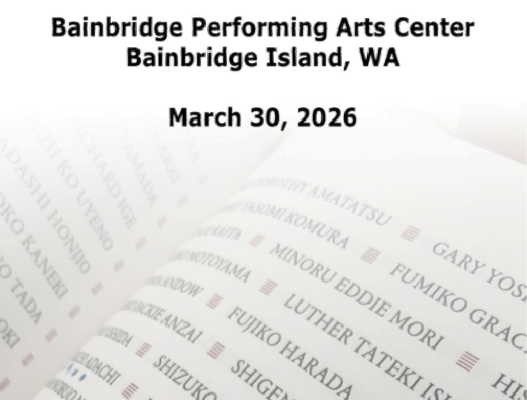
March 30, 2026 Commemoration
The theme for this year’s annual March 30th Commemoration event was “Remember Me,” a tribute honoring the individuals and families who were forcibly removed from their homes on March 30, 1942. Due to ongoing construction at the Exclusion Memorial Grounds, the event was held indoors at the Bainbridge Performing Arts
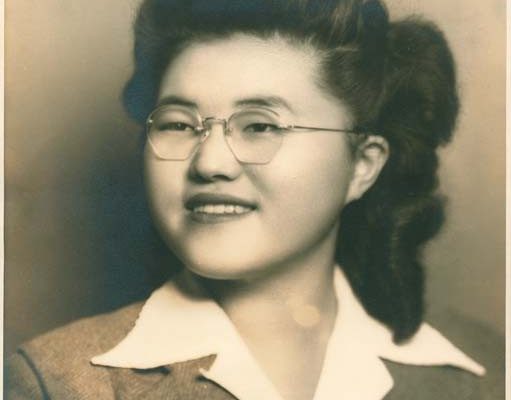
Celebrating the life of Nobuko (Sakai) Omoto
December 20, 1923 – March 27, 2026 God peacefully took Nobie home to heaven on March 27, 2026. Nobie was born and raised on Bainbridge Island and was the third child of Sonoji and Yoshiko Sakai. She was married to Taketo for 63 years before his passing in 2011.
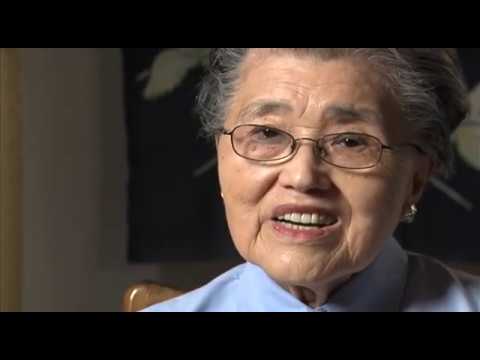
Auntie Nobi Celebrates 101 Years!
Stacy Sakai is thrilled to announce that her Auntie Nobi (Sakai Omoto) recently celebrated her 101st birthday in December! The third of the five Sakai sisters, Nobuko has been a key figure in preserving the history of Japanese Americans on Bainbridge Island. She contributed to BIJAC’s oral history project and

In Memory of Taeko Sakai Takahashi
Pictured: March 1944. Nobuko Sakai, Bruce Nakao, Kay Sakai Nakao, Taeko Sakai. We are sad to announce the passing of Taeko Pauline (Sakai) Takahashi on December 26th, 2024. The third of five Sakai sisters, Taeko was just 15 years old when her family was incarcerated in Manzanar. The Sakai family
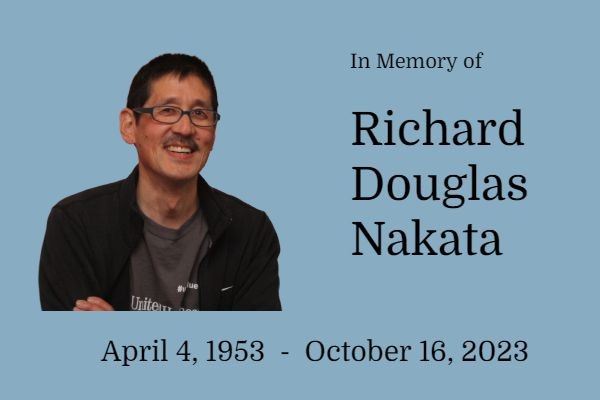
In Memory of Rick Nakata
Richard Douglas Nakata died on October 16, 2023 from complications from liver cancer at St. Michael’s Hospital. He was 70 years old and lived on Bainbridge Island for the majority of his life. He was born on April 4, 1953 at Doctor’s Hospital in Seattle to Gerald and Sueko Nakata.
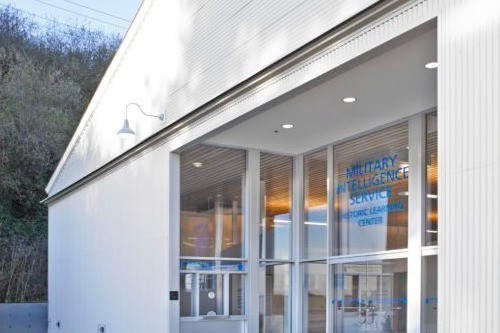
MIS Veteran Photo Tribute
In Conjunction with the 10 Year Anniversary, the National Japanese American Historical Society (NJAHS) is Launching a National Campaign to Honor Nisei Veterans of the Military Intelligence Service OCTOBER 1, 2023 DEADLINE MIS Families are urged to submit photos of their veterans to help fill a missing chapter in WWII
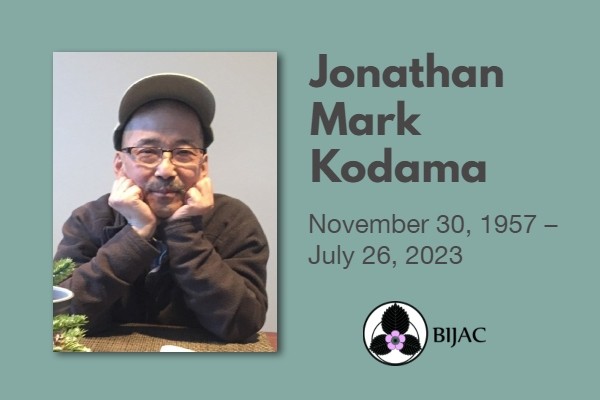
In Memory of Jonathan Kodama
It is with great sadness that the Bainbridge Island Japanese American Community says ‘goodbye’ to Jonathan “Jon” Mark Kodama. Our heartfelt sympathy goes out to his mother, Lilly Kodama, and the rest of the Kodama family. ~BIJAC On Wednesday, July 26, 2023, Jonathan ‘Jon’ Mark Kodama passed away at home
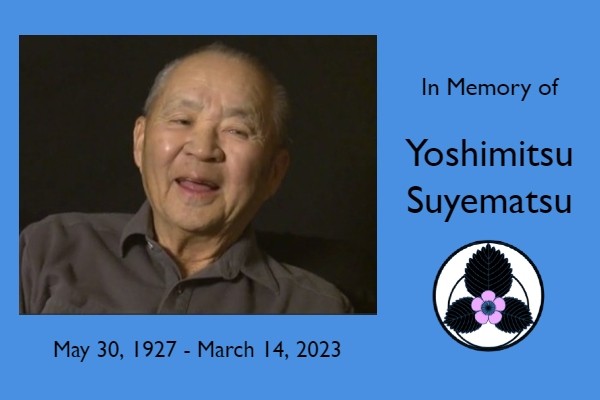
In Memory of Yoshimitsu Suyematsu
Yosh Suyematsu of Ontario, OR passed away peacefully on March 14, 2023. Please join the Suyematsu family in remembrance and honor of his 95 years of life.
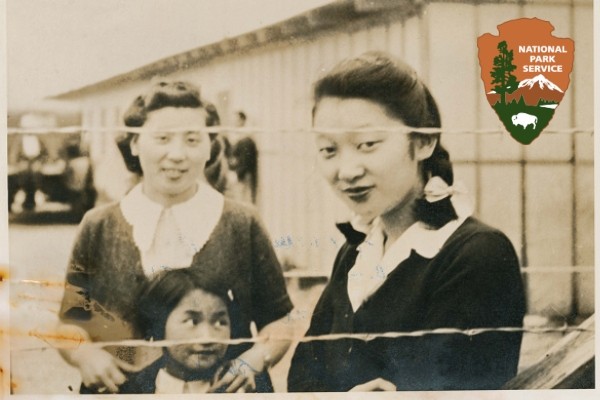
Japanese American Confinement Sites Grant Awarded to BIJAEMA
The Bainbridge Island Japanese American Exclusion Memorial Association (BIJAEMA) is one step closer to making the final phase of the Exclusion Memorial a reality. BIJAEMA was recently awarded a $613K National Park Service Japanese American Confinement Sites (JACS) grant to fund the construction of the new Visitor Center. Design of
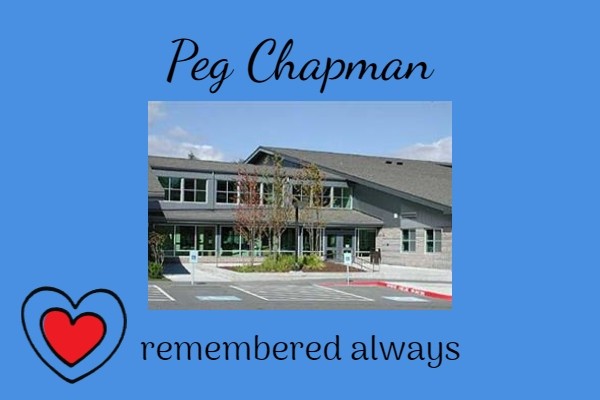
In Memory of Peg Chapman
To BIJAC friends, We are deeply saddened to announce the May 21 passing of Peg Chapman, founding office manager of Sonoji Sakai Intermediate School from 1999-2015. Peg played an enormous part in establishing the warm & welcoming school climate at Sakai. She was proud of our connection to the Bainbridge